
Falling for crime fiction
What was the book that started my adventure in crime fiction? Discover the author and the book that got me hooked on reading and inspired me to begin writing.
“When did you start reading crime fiction?”
I was asked this as I sat waiting to hear Mark Billingham at Capital Crime 2025. I’d sat next to a wonderful group of people who were happy chatting away and generously invited me into their conversation. I’d already sat through sessions where authors and readers alike had told how they’d read the complete writings of Agatha Christie by the age of twelve, Ed McBain’s entire back catalogue by sixteen and been on a steady diet ever since of McDermid, Rankin, Slaughter, Cleeves, the list went on. I felt embarrassed answering. I didn’t start reading for pleasure until I was twenty-seven years old.
Obviously, I’d read. But not for fun or with interest in fiction. I’d been a TV and film crime junkie. It started with sitting next to my Mum and Dad watching TV classics like Cagney and Lacey, Inspector Morse and Cracker. Watching films like All the President’s Men, Chinatown, The Usual Suspects, The Sting and Reservoir Dogs. Following the submersion in crime on screen, I’d wanted to be a film director and script writer for years. I even studied film at university. Maybe ‘studied’ is too strong a word; perhaps simply attended, or, perhaps more accurately, occasionally visited studies would be more apt. University wasn’t where I studied, but film was where I found story.
Reading had been a means to an end, not an enjoyment or a thrill. It had helped me complete essays or understand more about my interests. I devoured the likes of “Easy Riders and Raging Bulls”, but that’s because it was referencing movies I’d seen and loved. And reading them gave me more to talk about. I read books about story because they fed my ambition to write scripts. Robert McKee (Story), Syd Field (Screen Writing), Christopher Vogler (The Writer’s Journey) and William Goldman (Adventures in Screen Trade and What Lies Did I Tell) were all on my bookshelf, and have proven invaluable since. I’d lost myself in celluloid dreams and film fiction, not in story on paper pages.
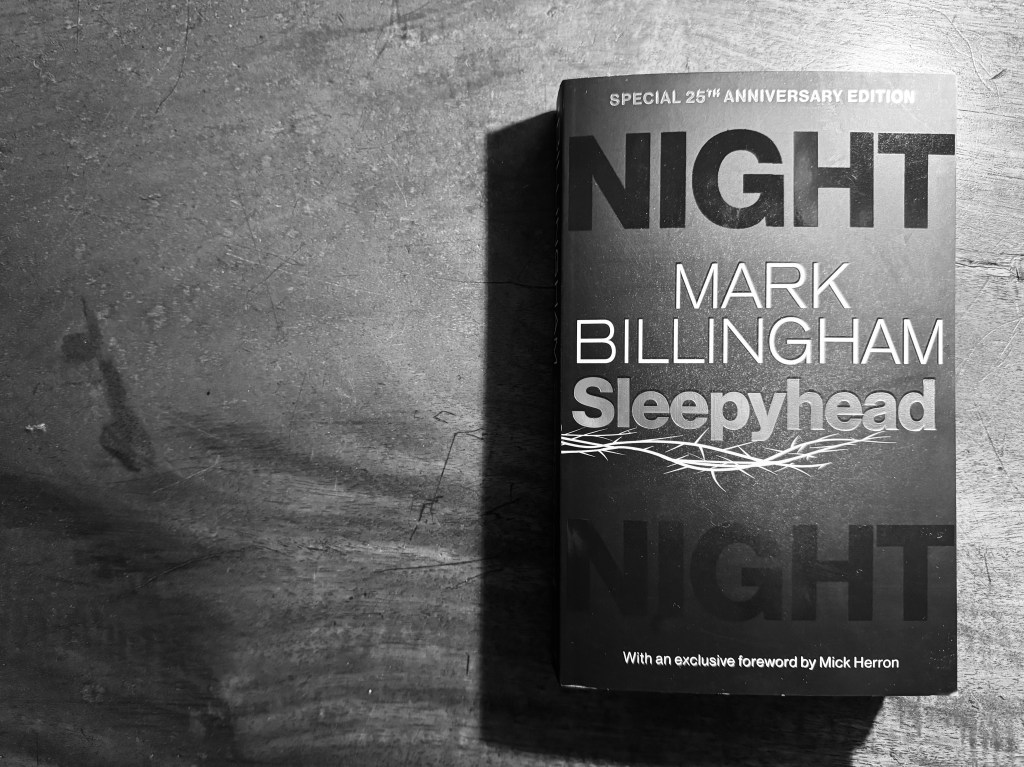
It was 2001 when I was told to read Mark Billingham’s debut, Sleepyhead, by my wife. It was pushed in front of me and then sat next to my bed for a few weeks before I decided to open the first page. Ten pages in, I’d met Tom Thorne and my attitude to books had changed forever.
I don’t think I’d experienced the cinema in my head before. It was the right time and right place. And Mark Billingham was, in many ways, my gateway drug. The book really creeped me out, but I was hooked on the characters and their world.
Tom Thorne was different to what I expected. He wasn’t a cliché. The crime was different, too. The writing had light and dark. The tension and stakes were high. The world Thorne existed within came alive in my head. The light next to my bed was never switched off, because I needed to read what happened next (and I was just a little scared).
Feeling compelled to keep turning the page of a story had never happened to me before. That was new. And I wanted to experience it again.
Only a few weeks later, I was able to book Mark Billingham as a guest on the radio show I was producing, as he was publicising Sleepyhead. I’d booked some fairly big ‘stars’ from film, TV and comedy onto the show, so booking a debut author was a little different. His comedy background helped the conversation, especially after my plan to do a full hour and a quarter about the crime genre was thrown out of the window when I arrived at the studio at 5 AM. The terrible murder of a young girl was filling the news headlines, so I had to reorganise the show.
Down the line from London, Mark adapted to the new order with ease, but in the pre-show briefing and chat, I had the chance to tell him how much I enjoyed his book and asked who else I should read. His response was immediate, “George Pelecanos” (more on that in the next post).
Mark’s contribution to the show was superb, and he helped us tread the tightrope of what could have been a difficult hour and a bit with ease and the perfect tone. I was both relieved and incredibly grateful. However, his impact on me went far beyond that hour and a quarter ‘live’ on air. He got me hooked on a genre I have enjoyed for over twenty years. A genre that has taken me all over the world, through different times and experienced highs and lows with characters I’ve loved and loved to loathe.
When I moved from writing screenplays to writing novels, Mark’s writing was a huge inspiration. From his early work to his more recent work, he has motivated me to explore the genre in my own writing. Tom Thorne was fantastic, but I also love Detective Declan Miller, too. The Wrong Hands is a great read.
At Capital Crime, I sat amongst some of the greatest fans of crime fiction I’d ever had the pleasure to meet, and needing to answer when I started reading crime, all I told them was that “It all started with Mark Billingham.” I have so much catching up on this group’s reading to do and so much amazing crime fiction to read, but at least I started with a classic that inspired me to do so much more.
Is right, Mr Billingham.

 is write